Signage is the system of visual communication that businesses use to identify their location, guide customers, reinforce branding, and convey essential information. In a commercial setting, signage is a permanent, functional asset that must perform reliably, comply with regulations, and represent the business accurately in real-world conditions.
What Is Signage in a Business Context?
Signage is a physical communication tool that connects your business to the public through visibility, information, and branding.
In practice, it includes everything from exterior building signs that identify your location to interior ADA-compliant signage that ensures accessibility and code compliance. Every sign serves a defined purpose, whether that is attracting attention, directing traffic, or reinforcing your brand identity .
Because signage is installed in regulated environments, it must meet structural, electrical, and municipal requirements while remaining durable in Southern California’s climate.
What Types of Signage Do Businesses Use?
Businesses use a combination of exterior and interior signage to create a complete communication system.
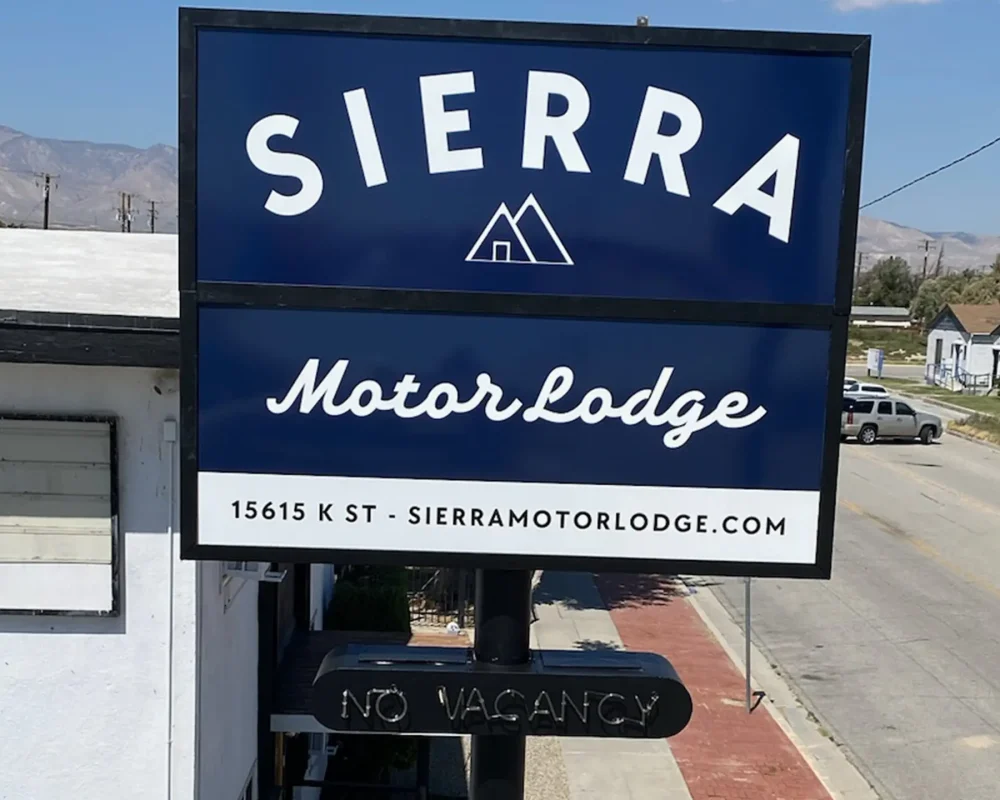
Common exterior signs include monument signs, wall signs, cabinet signs, and illuminated channel letters, which provide high visibility from a distance. Interior signage includes lobby signs, directional systems, and ADA-compliant room identification.
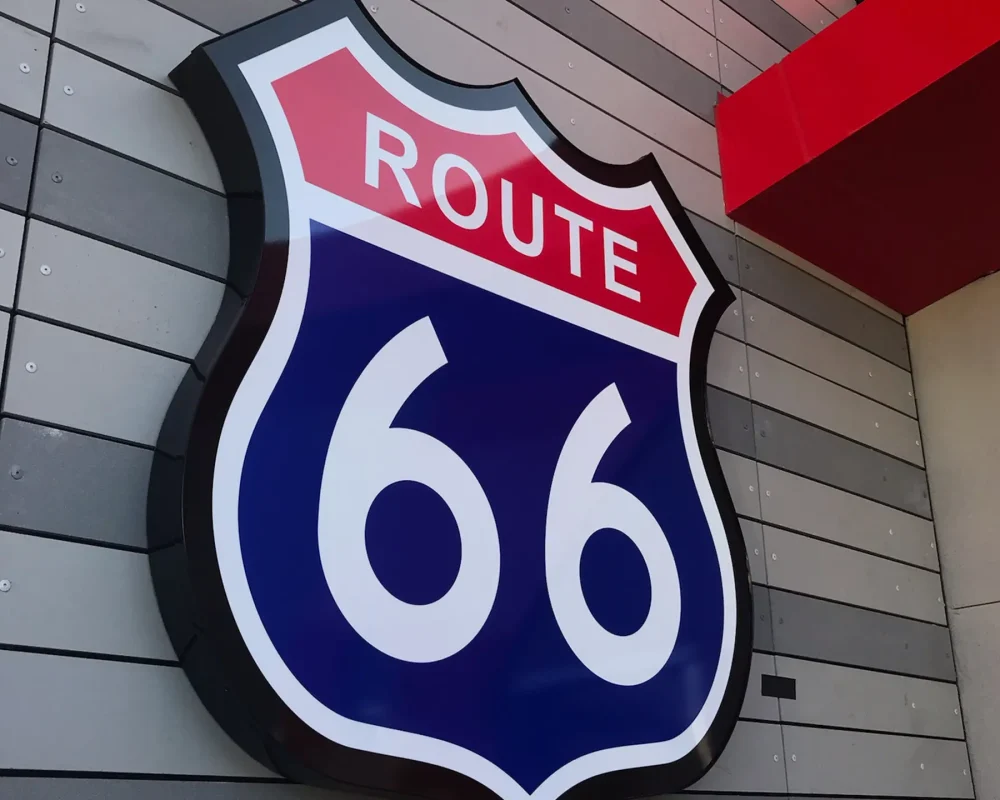
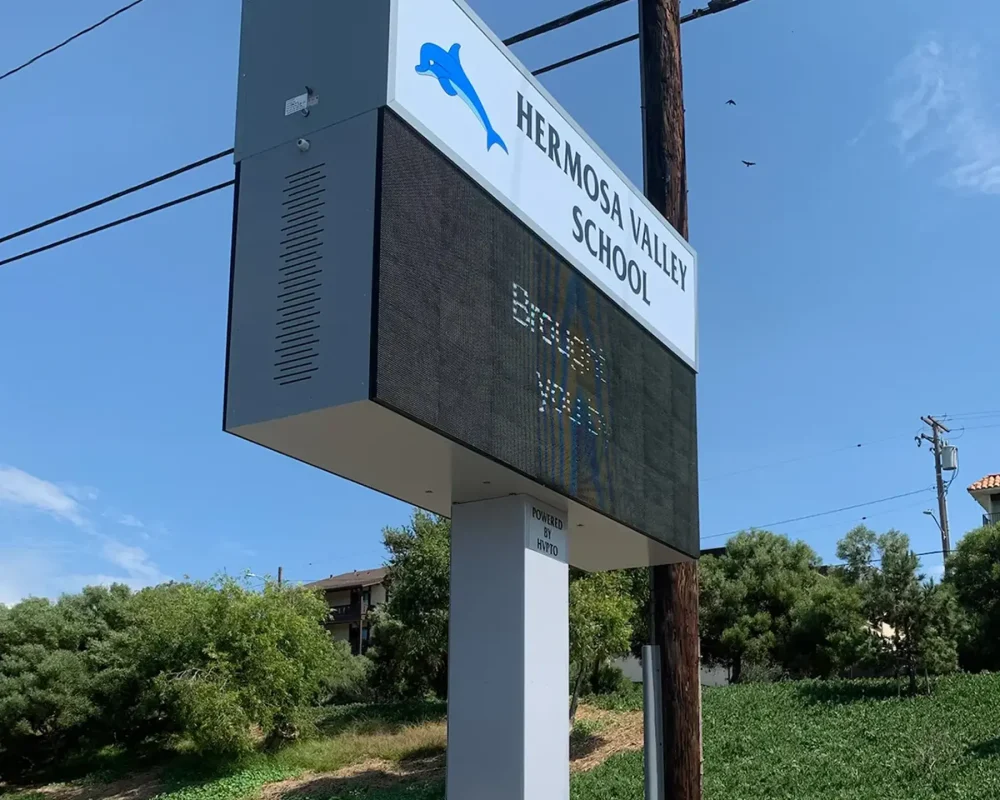
Channel letter signs are among the most widely used exterior solutions because they are three-dimensional, customizable, and often illuminated for day and night visibility. LED signage is also widely used for its brightness, energy efficiency, and continuous operation without significant maintenance.
Each sign type serves a specific function, and effective projects combine multiple types into a cohesive system.
How Does Signage Affect Customer Behavior?
Signage directly influences whether customers notice, approach, and enter a business.
A clearly visible, well-designed sign reduces friction by making your location easy to find and understand. It also conveys credibility before any interaction. Poor signage creates confusion, reduces trust, and can cause potential customers to overlook your business entirely.
In high-traffic commercial areas, visibility and readability often determine whether a business captures attention or blends into its surroundings.
What Makes a Sign Effective?
An effective sign is legible, properly scaled, strategically placed, and aligned with the brand it represents.
Legibility depends on contrast, font selection, and lighting. Size must match viewing distance, and placement must account for sightlines, traffic flow, and surrounding structures. Materials and finishes must withstand sun exposure, heat, and environmental wear without degrading.
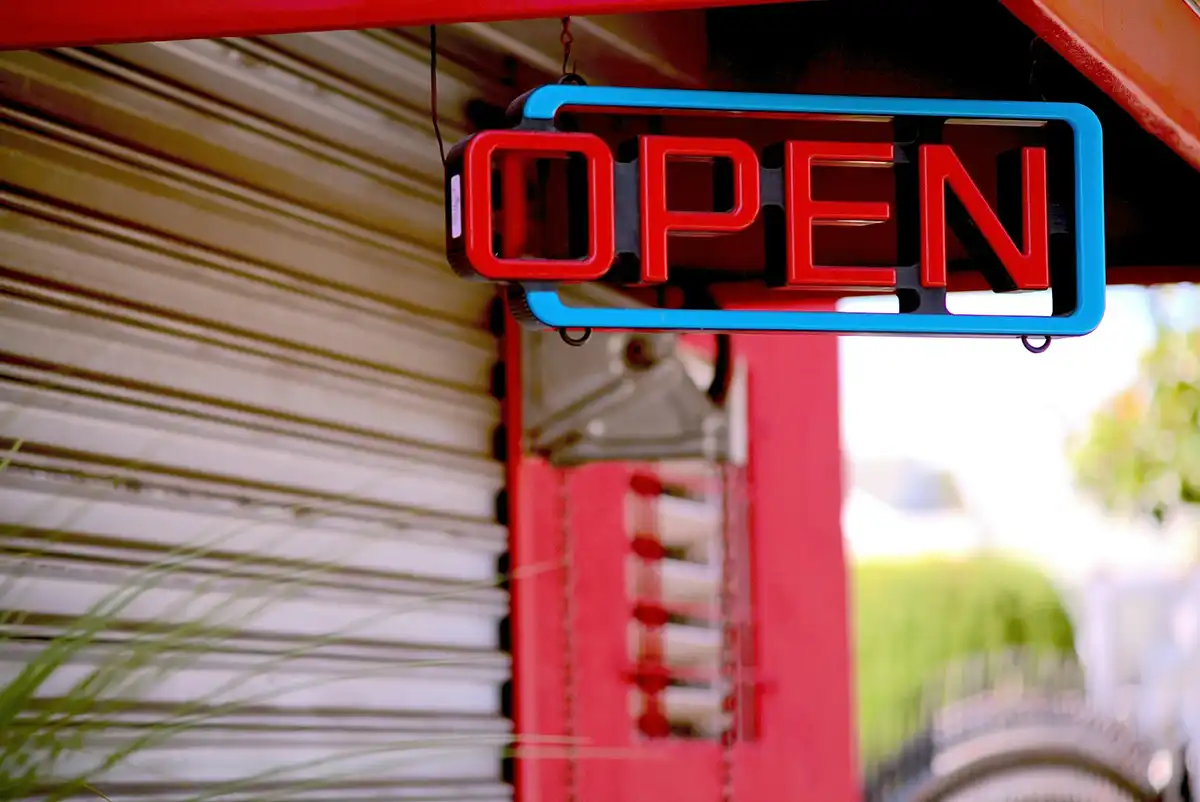
Lighting also plays a critical role. Illuminated signs, particularly those using LED systems, maintain visibility at all hours and provide consistent brightness with lower energy consumption .
When Is Custom Signage the Right Choice?
Custom signage is the right choice when standard solutions cannot meet branding, visibility, or regulatory requirements.
Most commercial properties in Southern California require signage that aligns with architectural standards, landlord guidelines, and city codes. Custom fabrication allows precise control over size, materials, lighting, and mounting methods.
It also ensures that the final product reflects your brand accurately and performs as intended in its specific environment.
What Materials Are Used in Commercial Signs?
Commercial signs are typically built from aluminum, acrylic, steel, and composite materials selected for durability and performance.
Aluminum is widely used because it is lightweight and corrosion-resistant. Acrylic is commonly used for illuminated faces because it distributes light evenly and retains color. Steel and stainless steel are used when additional strength or a premium finish is required.
These materials are often combined with LED lighting systems, protective coatings, and weather-resistant finishes to ensure long-term performance outdoors .
How Long Does a Signage Project Take?
A signage project typically takes several weeks from initial consultation to final installation.
Standard timelines often fall within a 3–6 week range for fabrication and installation after design approval, though permitting and project complexity can extend that timeframe . For example, custom channel letter signs alone often require approximately 4–6 weeks due to fabrication and electrical components .
Delays most often occur during permitting or when revisions are required to meet code compliance.
What Impacts Signage Costs?
Signage costs are determined by size, materials, lighting, complexity, and installation requirements.
Illuminated signs cost more than non-illuminated options due to electrical components and UL compliance requirements. Custom fabrication, specialty finishes, and challenging installation conditions also increase costs.
Permitting fees, engineering requirements, and site conditions such as height or access can significantly influence the final investment.
What Are Common Signage Mistakes?
Common signage mistakes include poor visibility, incorrect sizing, non-compliance with codes, and low-quality materials.
Signs that are too small or lack contrast fail to communicate effectively. Improper material selection can lead to fading, corrosion, or structural issues. Failing to account for local regulations can result in rejected permits or required modifications.
Attempting to shortcut the process often leads to higher long-term costs due to repairs, replacements, or compliance issues.
How Do Permits Affect Signage in Southern California?
Permits are mandatory for most exterior signage projects and directly affect timelines and design decisions.
Cities and municipalities enforce zoning, size limits, electrical standards, and placement requirements. ADA signage must also meet strict federal and California-specific guidelines, including mounting height, contrast, and tactile elements .
Failure to secure proper permits can result in fines, delays, or removal of the sign. Proper planning ensures compliance from the start.
What Maintenance Do Signs Require?
Most commercial signs require periodic cleaning, inspection, and occasional component replacement.
LED systems are long-lasting and require minimal maintenance, but electrical components, mounting hardware, and finishes should be inspected regularly. Exterior signs benefit from cleaning to maintain visibility and appearance, especially in areas with heavy dust or pollution.
Well-built signs using quality materials are designed to minimize maintenance while maintaining consistent performance.
Why Hire a Licensed Sign Contractor?
Hiring a licensed sign contractor ensures that your signage is designed, built, and installed correctly, safely, and in compliance with all regulations.
As a California-licensed contractor and UL-certified electrical sign manufacturer, we handle design, permitting, fabrication, and installation in-house, maintaining full control over quality and timelines. Our team performs site evaluations, manages permitting, and ensures every component meets structural and electrical standards.
This level of oversight prevents costly errors and ensures that the final product performs as intended.
Conclusion
Signage is a critical business asset that influences visibility, customer behavior, and regulatory compliance. It requires careful planning, proper materials, and expert execution to perform reliably in real-world conditions.
By managing every stage of the process in-house, we ensure that each sign is built with precision, meets all applicable codes, and reflects the standards our clients expect.
Act now to secure precision and compliance—partner with experts in reliable signage services.