Directional signs are some of the most practical and impactful tools businesses in Southern California can use to guide, inform, and impress customers. These signs do more than point the way—they shape how people experience your location, reflect your brand image, and keep operations running smoothly.
Definition of Directional Signs
Directional signs are designed to provide clear, concise guidance for navigating a space. Whether indoors or outdoors, they help visitors know exactly where to go—whether that is an entrance, restroom, office, parking area, or checkout counter. Their primary function is to reduce confusion and create a seamless path for customers and guests.
Common Uses for Businesses and Organizations
Nearly every industry benefits from directional signs. Retail centers use them to lead shoppers to stores and restrooms. Corporate offices rely on them to mark suites and departments. Educational institutions, hospitals, real estate developments, and event venues all rely on directional signs to guide people in the right direction without frustration.
Types of Directional Signs
Directional signs come in many forms:
- Indoor signs include wall-mounted plaques, hanging ceiling signs, and floor decals.
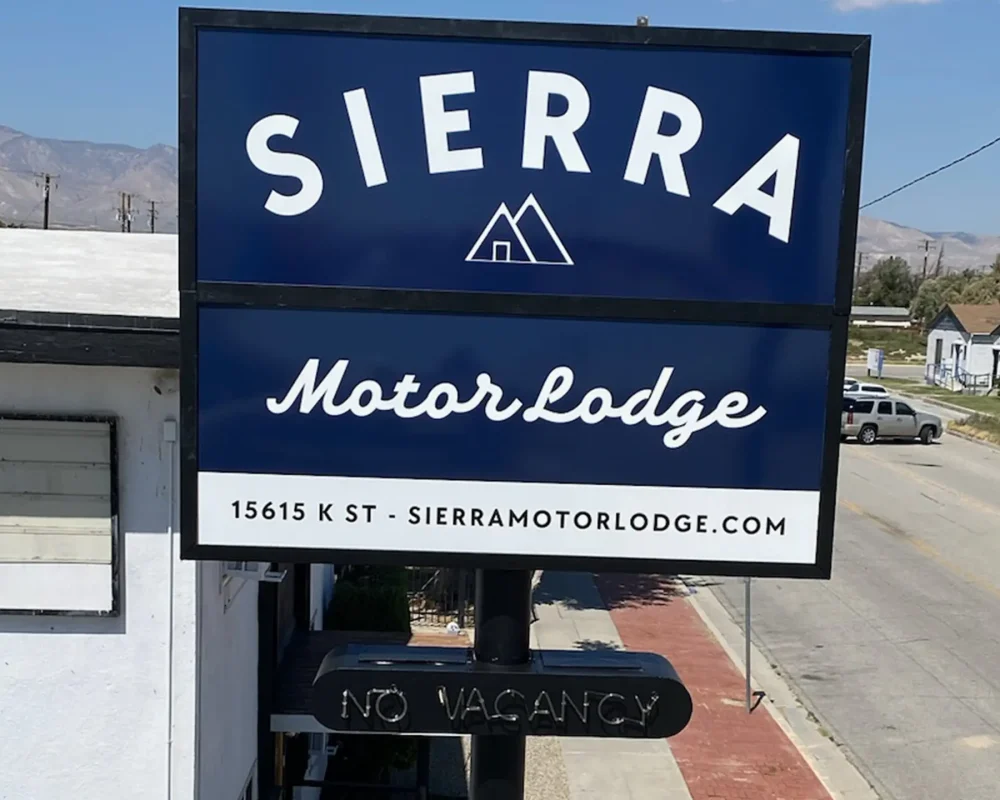
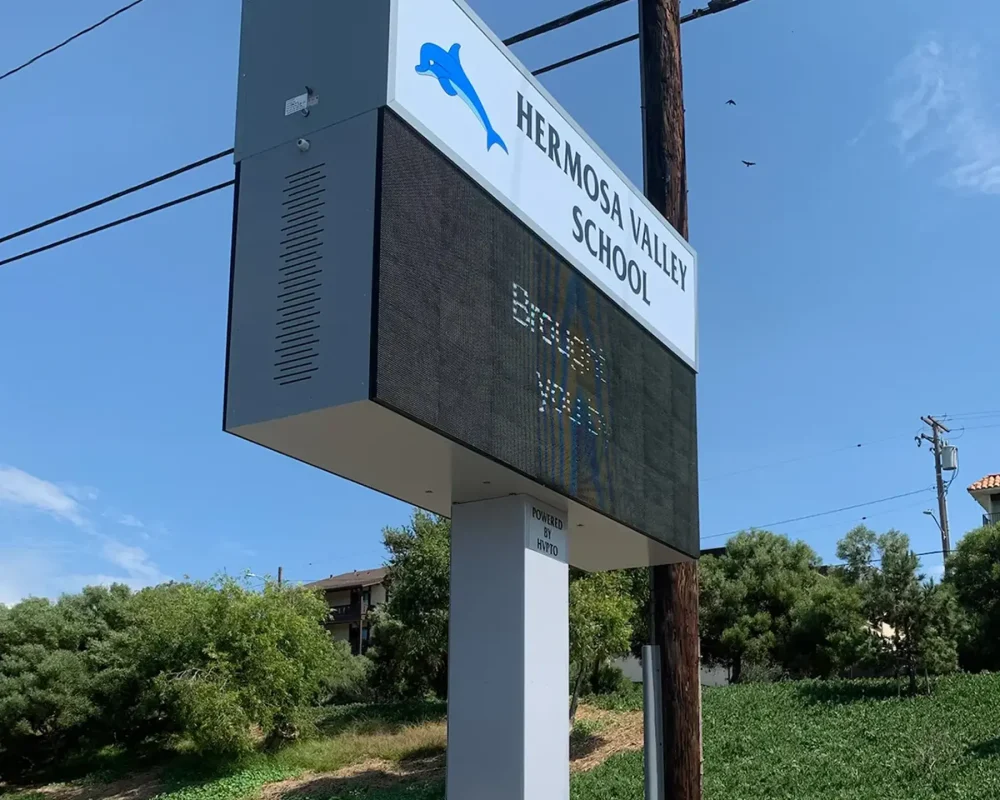
- Outdoor signs, such as parking lot markers, wayfinding pylons, or entrance signs.
- Temporary signs are used for special events or during construction projects.
- Permanent signs are designed to withstand years of use and exposure to the elements.
Each type can be customized to fit the location’s layout and the brand’s visual identity.
Materials and Design Options
Directional signs can be fabricated from a wide variety of materials, including metal, acrylic, PVC, or vinyl. Finishes can range from sleek and modern to rustic and textured, depending on the company’s brand image. Lighting options, such as LED illumination, can also be incorporated for visibility at night.
Placement and Visibility Considerations
Strategic placement is critical for adequate directional signage. Signs must be positioned at decision points—such as intersections, doorways, and parking lots—where visitors need guidance. Fonts, colors, and graphics must be legible from a suitable distance, and contrast plays a crucial role in readability.
Compliance with Southern California Regulations
Directional signs must also meet local regulations and codes. For example, ADA compliance requires specific font sizes, tactile lettering, and placement guidelines for accessibility. As a licensed contractor, we ensure that every sign we design and install meets these requirements while still aligning with your branding.
Benefits for Customer Experience and Brand Image
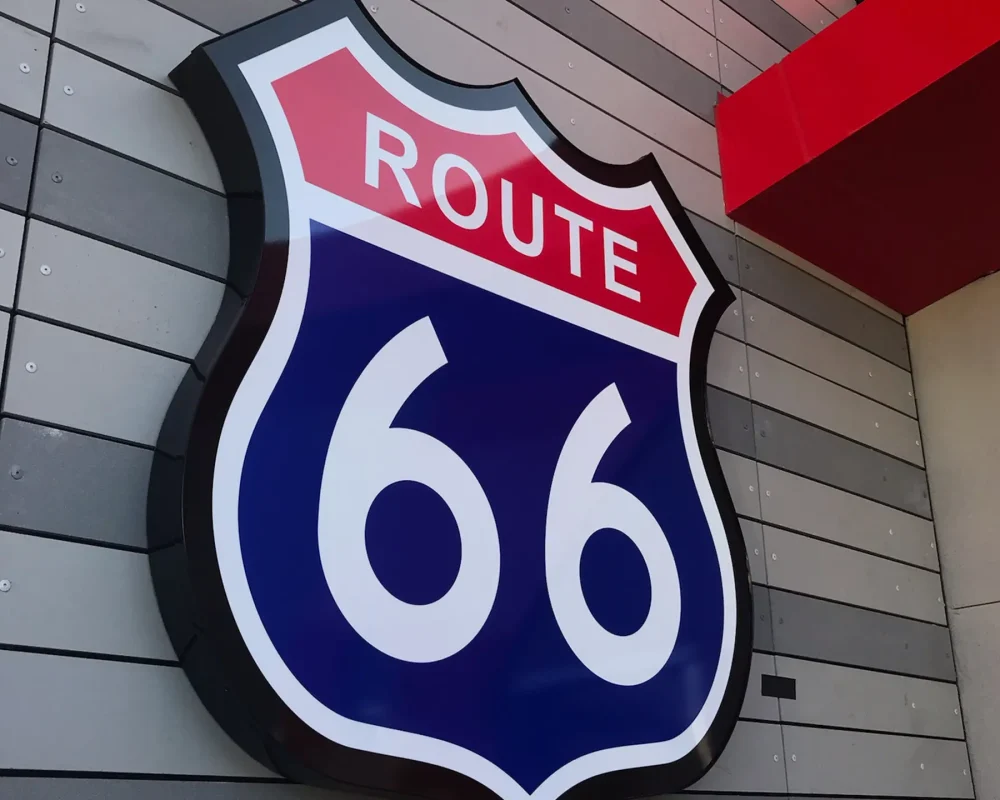
A well-placed, well-designed directional sign does more than help people find their way—it creates a sense of professionalism and trust. Visitors who can navigate a property with ease feel more comfortable, which has a positive impact on the business. Matching signs with a company’s colors, logo, and overall aesthetic also reinforces brand consistency and makes a strong impression.
Durability and Weather Resistance
Southern California’s climate demands directional signs that are durable and weather-resistant. From UV-resistant finishes to materials that can withstand wind and rain, outdoor signs are designed to withstand the elements while maintaining their appearance over time.
Customization for Business Branding
Every directional sign is an opportunity to strengthen your brand identity. We customize designs to include logos, brand colors, and fonts so that even functional signage contributes to a cohesive image across your property.
Installation and Maintenance
Professional installation ensures directional signs are mounted securely and positioned correctly for maximum impact. Routine maintenance may include cleaning, inspections, or replacing lighting elements for illuminated signs. With proper care, your directional signs will remain effective and visually appealing for years to come.
Conclusion
Directional signs are more than simple tools for navigation—they are an extension of a business’s commitment to customer experience and brand identity. By making it easy for visitors to find their way, these signs reduce stress, improve satisfaction, and leave a lasting impression of professionalism. For businesses across Southern California, investing in well-designed, durable, and compliant directional signage ensures that every guest feels guided, welcomed, and confident from the moment they arrive.