A monument sign is one of the most effective ways to establish a permanent, professional presence at street level. Designed for visibility, durability, and brand consistency, these ground-mounted structures are widely used across Southern California for commercial properties, office parks, retail centers, and institutional facilities.
We design, permit, manufacture, and install monument signs in-house as a California-licensed contractor and UL-certified electrical sign manufacturer, ensuring every project meets local codes and long-term performance expectations.
What Defines a Monument Sign?
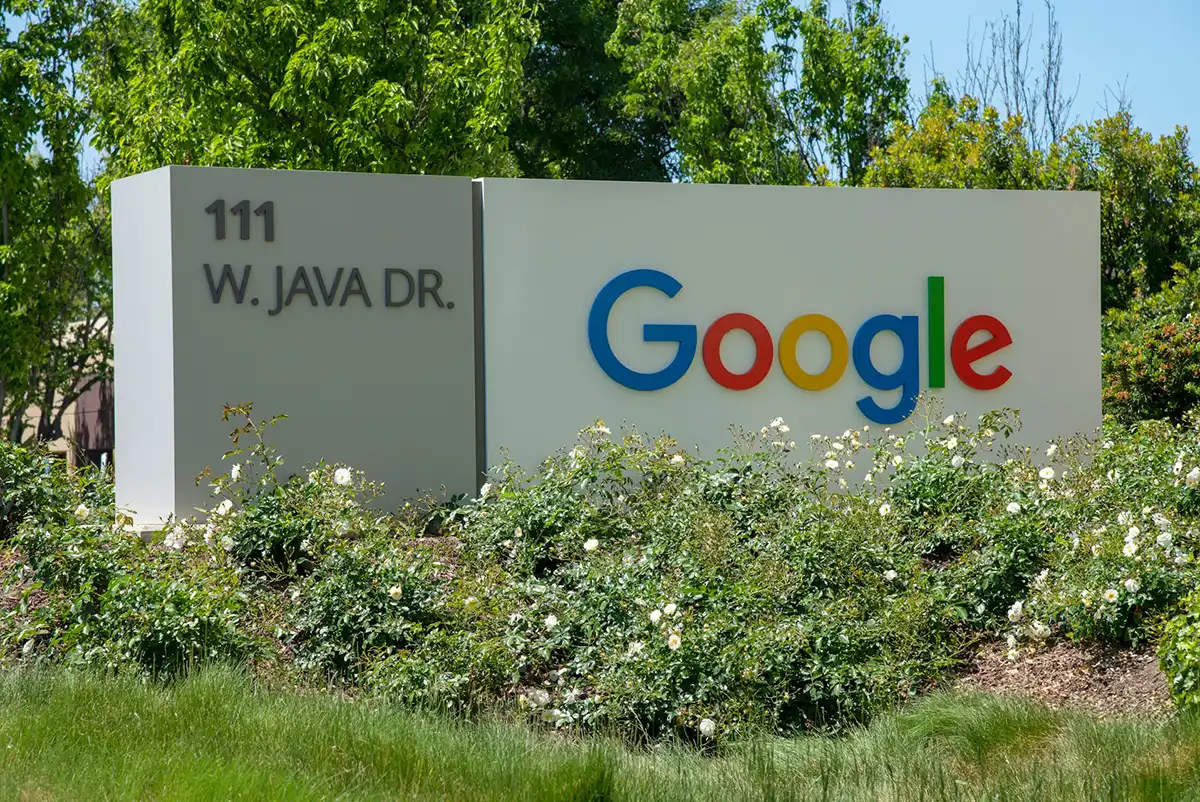
A monument sign is a freestanding, ground-level structure typically installed near an entrance or along a roadway. It is built with a solid base and designed to appear integrated with the surrounding architecture or landscape.
Unlike pole-mounted signs, monument signs sit low to the ground and prioritize readability at closer distances. This makes them ideal for businesses that rely on steady traffic rather than long-distance visibility.
How Monument Signs Compare to Pylon and Wall Signs
Each exterior sign type serves a different purpose.
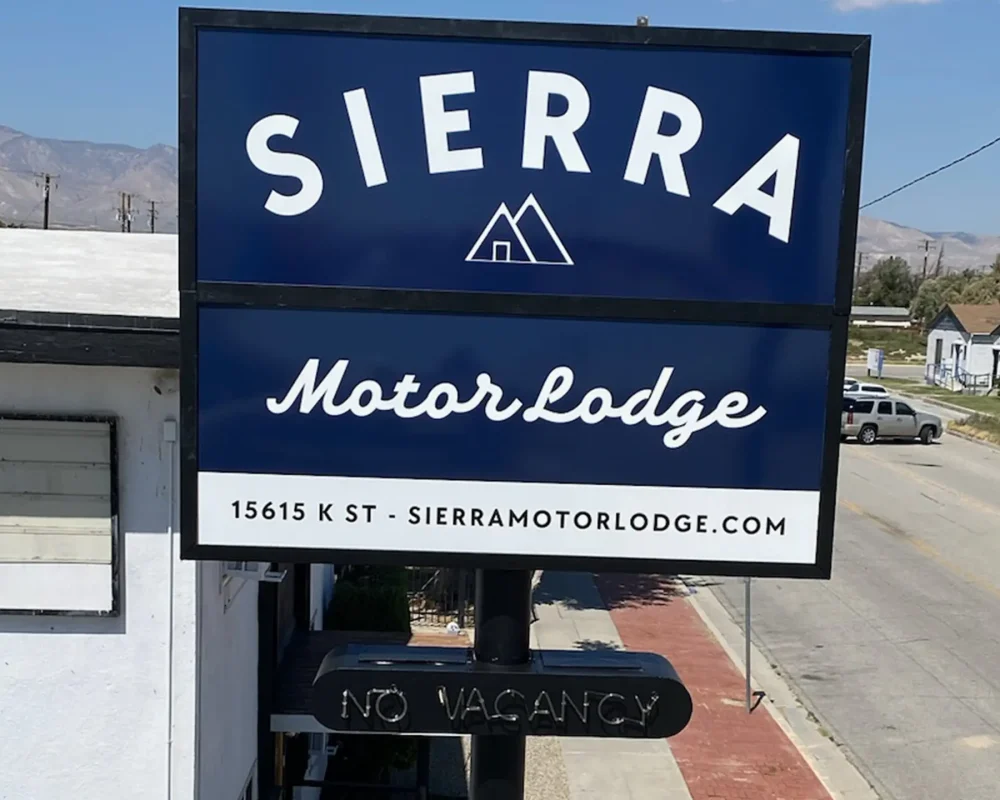
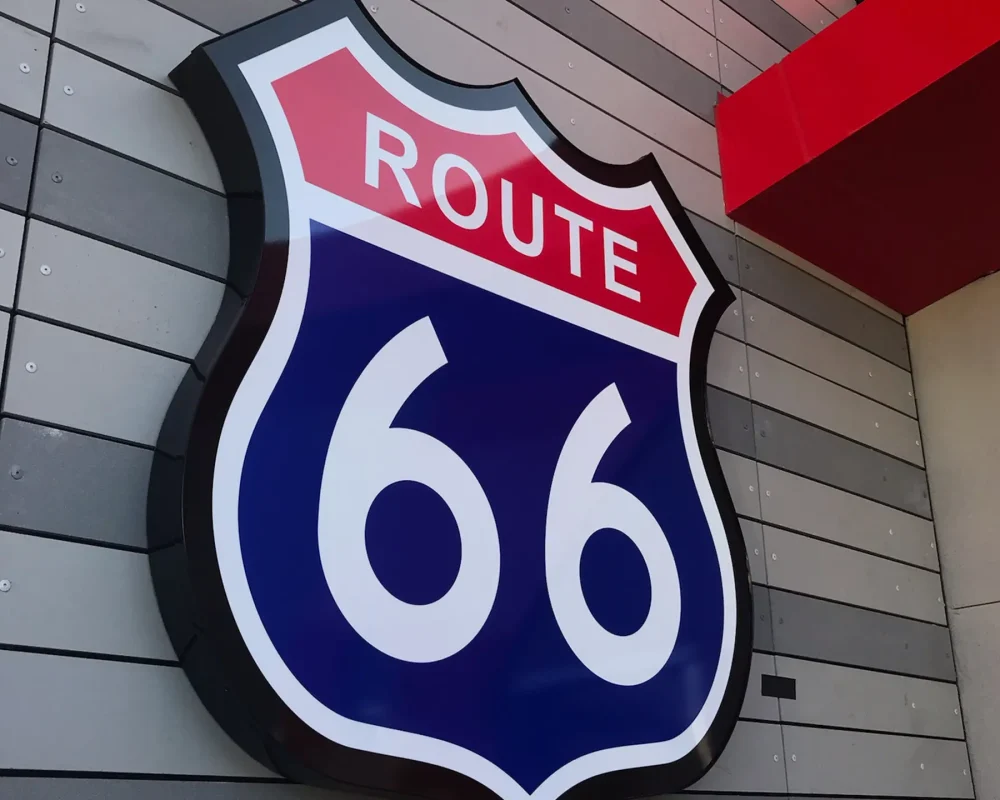
Monument signs focus on eye-level visibility and architectural integration. Pylon signs are elevated for long-distance viewing and are often used along highways. Wall signs are mounted directly to a building and depend on the structure for visibility.
For properties where branding, permanence, and a cohesive appearance matter, custom monument signs provide a more refined solution than taller or building-mounted alternatives.
When a Monument Sign Is the Right Choice
Monument signs are most effective when visibility is needed at an entry point rather than from a distance.
They are commonly used for:
- Business parks and office complexes
- Medical and professional facilities
- Retail centers with shared access points
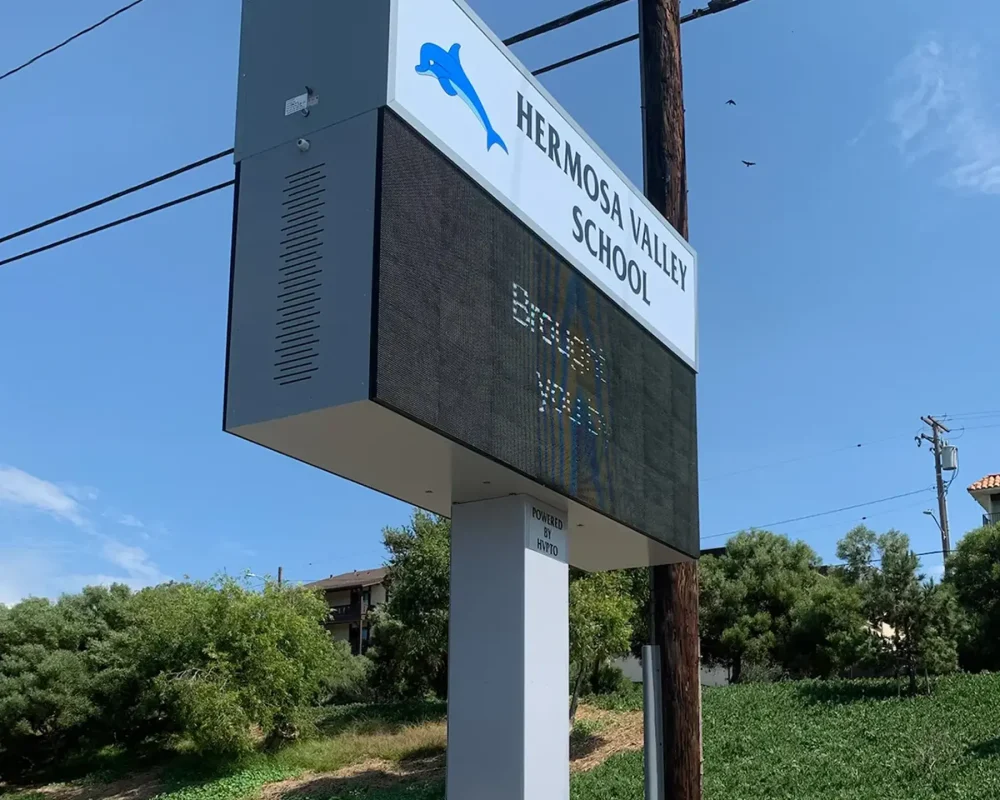
- Schools, churches, and government buildings
For multi-tenant properties, monument signs serve as a directory while reinforcing the overall development’s identity.
Materials and Long-Term Durability
Material selection directly impacts the lifespan and appearance of a monument sign.
Common materials include:
- Aluminum for structural framing and panels due to its corrosion resistance
- Acrylic for faces or inserts that require color consistency and illumination
- Masonry or stucco finishes to match the surrounding architecture
- Steel components for internal reinforcement
We engineer monument signs with weather-resistant materials and finishes suited for Southern California’s sun exposure, temperature changes, and coastal conditions. Proper coatings and fabrication methods prevent fading, corrosion, and structural wear over time.
Height, Placement, and Visibility Factors
Monument signs are typically lower in height than pylon signs, often ranging from 3 to 8 feet, depending on local regulations.
Visibility depends on several factors:
- Distance from the roadway
- Traffic speed and direction
- Landscaping and obstructions
- Letter size and contrast
We evaluate sightlines during our in-person consultation to ensure the sign is positioned and scaled for maximum readability without violating zoning restrictions.
Permitting Requirements in Southern California
Monument signs almost always require permits.
Local jurisdictions regulate:
- Maximum height and square footage
- Setbacks from property lines
- Illumination types and brightness levels
- Structural and electrical compliance
As a licensed contractor, we manage the entire permitting process, including preparing drawings, submitting applications, and coordinating with city officials. This prevents delays and ensures the sign is approved before fabrication begins.
Design Features That Improve Visibility
Effective monument sign design balances branding with readability.
Key considerations include:
- High-contrast color combinations
- Clean, legible typography
- Proper spacing between tenant panels
- Integration with landscaping or architectural elements
We design monument signs to be easily understood within seconds, accounting for how drivers and pedestrians actually view signage in real-world conditions.
Illumination Options for Monument Signs
Monument signs can be illuminated for nighttime visibility and enhanced presence.
Common lighting methods include:
- Internal LED illumination for cabinet-style panels
- Halo or backlit elements for dimensional lettering
- External ground lighting for architectural emphasis
LED lighting is the preferred option due to its energy efficiency, long lifespan, and compliance with California Title 24 standards. It also provides consistent brightness for 24/7 visibility.
Timeline for Design, Permitting, and Installation
The full process for a monument sign involves several stages.
Typical timelines include:
- Design and revisions: 1–2 weeks
- Permitting: 2–6 weeks, depending on the city
- Fabrication: 2–4 weeks
- Installation: 1–2 days
Because we handle all phases in-house, we maintain control over scheduling, quality, and communication from start to finish.
Multi-Tenant Monument Sign Considerations
For multi-tenant properties, monument signs function as both branding and wayfinding tools.
Advantages include:
- Clear identification of multiple businesses
- Organized tenant panels for easy updates
- Increased visibility for smaller tenants
Limitations can arise if space is not properly planned. Insufficient panel size or overcrowding reduces readability and weakens the overall design. We structure layouts to allow for future tenant changes without compromising clarity.
Common Planning Mistakes to Avoid
Several issues can reduce the effectiveness of a monument sign.
Frequent mistakes include:
- Undersized lettering that is difficult to read from the street
- Poor placement that limits visibility due to landscaping or traffic flow
- Ignoring local code requirements early in the design phase
- Choosing materials that do not match the building or environment
Our process addresses these factors early through site evaluation, ensuring the final installation performs as intended.
Cost Factors for Monument Signs
Monument sign pricing varies based on design, materials, and site conditions.
Key cost drivers include:
- Overall size and structural requirements
- Material selection and finishes
- Illumination type and electrical components
- Permitting and installation complexity
Custom fabrication ensures the sign aligns with both branding and budget while maintaining durability and compliance.
Why Work with a Licensed Sign Contractor
Monument signs require coordination between design, engineering, permitting, fabrication, and installation.
As a California licensed contractor and UL-certified electrical sign manufacturer, we manage every phase in-house. This ensures:
- Accurate site assessments and measurements
- Code-compliant designs and electrical systems
- Consistent quality control during fabrication
- Professional installation with long-term reliability
Our hands-on approach reduces errors, shortens timelines, and delivers a finished product that performs as expected.
Conclusion
A monument sign is a long-term investment in visibility, branding, and property identity. When properly designed and installed, it provides consistent exposure and reinforces a professional image for years.
We approach every project with a focus on durability, compliance, and real-world performance. If you are planning a new sign or upgrading an existing one, our team provides complete support from concept through installation. View our full range of monument signs to get started.
Reach out to Resource 4 Signs today for a consultation on monument signage for your property.